An introduction to Chinese Calligraphy
Chinese calligraphy has always been more than simply a tool for communication, incorporating as it does the element of artistry for which the practice is still valued in an age of ballpoint pens and computers. Indeed, calligraphy is no longer the basic tool of intellectuals and officials but has become the preserve of professional artisans and amateur enthusiasts. Whether they are recording information or simply creating beautiful forms, calligraphers’ brushes are used to ink five different styles of script, known as ‘seal’, ‘official’, ‘cursive’, ‘running’ and ‘regular’. The art may appear on any writing surface – even the rocky walls of cliffs – but it is especially common on letters, scrolls, works of literature and fan coverings. Today, in addition to traditional master-apprentice instruction, calligraphy is also taught at school. Many ceremonies that mark national celebrations and religious rituals incorporate the practice and calligraphy has itself proved influential on modern art, architecture and design. In its distinctive Chinese form, calligraphy offers an important channel for the appreciation of traditional culture and for arts education. It is also a source of pride and pleasure for the Chinese people and embodies important aspects of the country’s intellectual and artistic heritage.
An ancient art form
The earliest surviving Chinese script dates back over 3,000 years, in inscriptions made for the rulers of the Shang dynasty (circa 1600-1100 BC). Since the fourth century, calligraphy has been practiced, prized and collected as an elite visual art.
.
From as early as the 10th century calligraphy was also a key component of the imperial civil service examinations. Honing your writing could pave a path to power and prestige. Collectors and connoisseurs also saw exceptional calligraphy as an expression of upright morality. Good character was seen in good brushwork.
.
In the 20th century calligraphy remained central to Chinese art, expressing an enduring relationship with history. In the 21st century it gives Chinese artists a distinctive voice in a global art world. For the contemporary collector, Chinese calligraphy appeals to both a classic and cutting-edge taste.
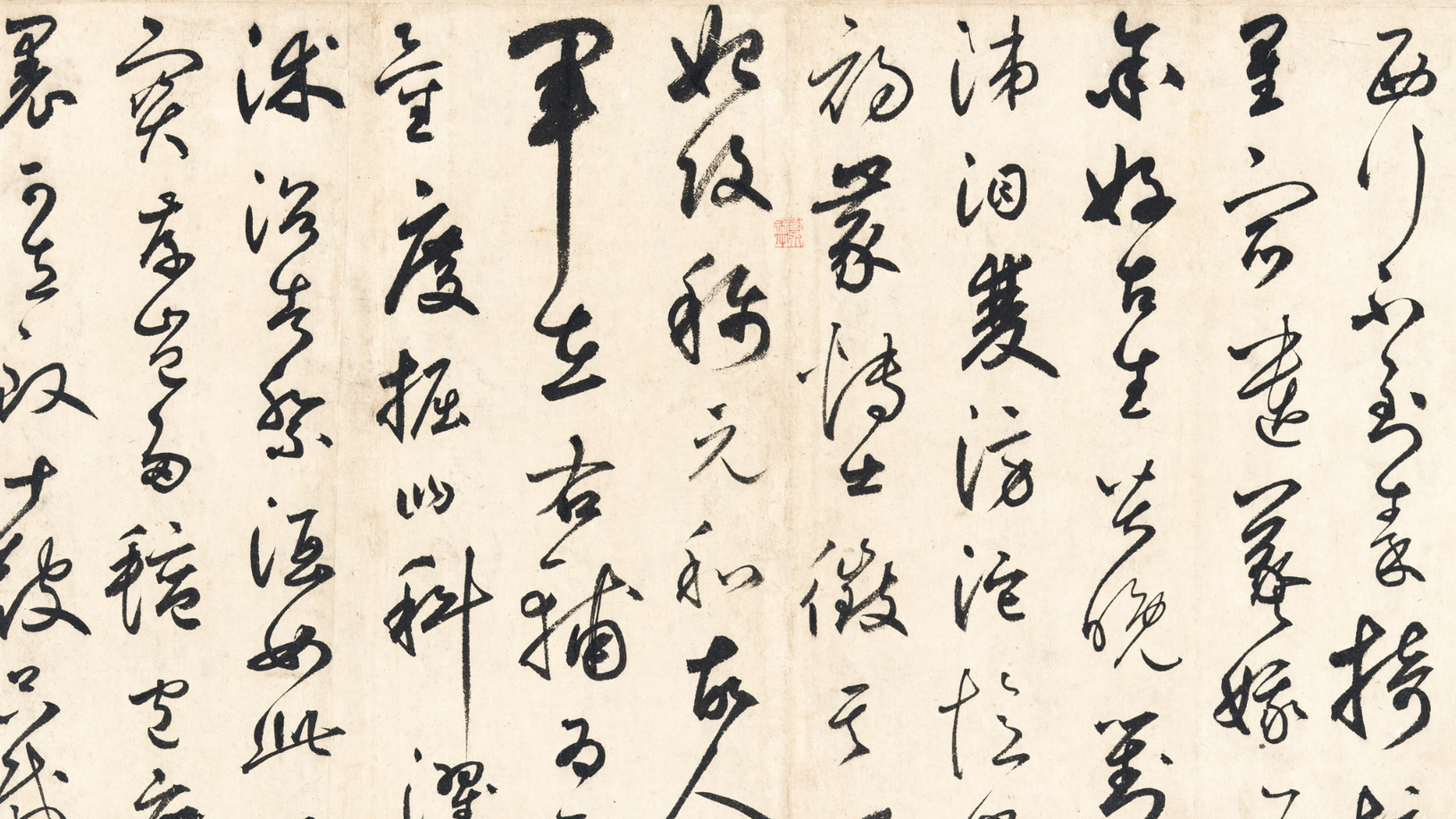
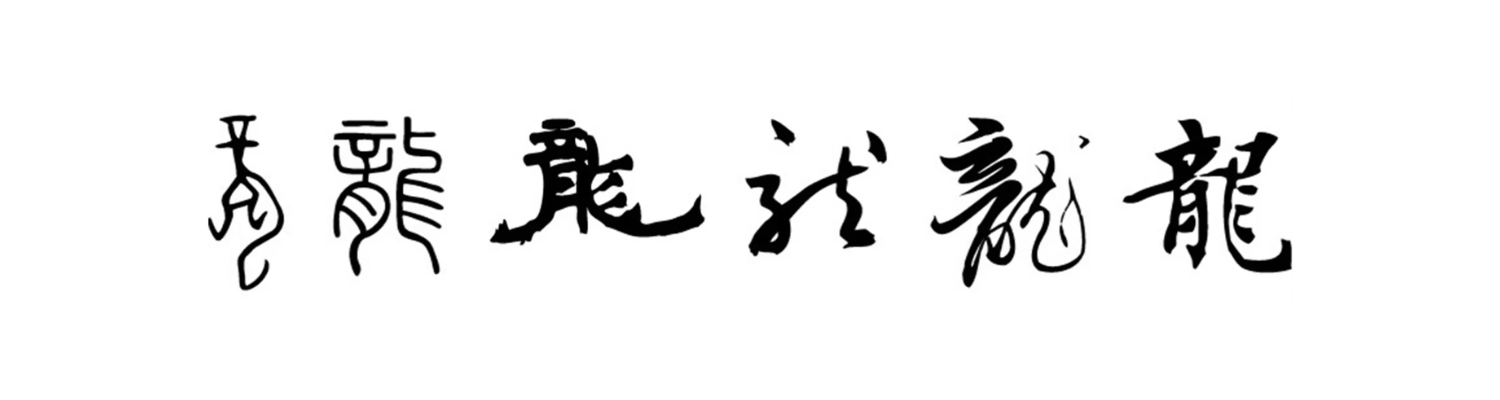
Six major scripts have developed over the course of more than three thousand years for writing Chinese characters, and all are still used in “artistic writing” (calligraphy) today. Each of these styles of writing—oracle bone, seal, clerical, cursive, running, and standard—has distinct differences in appearance.
Characters in seal script, for example, have symmetrical structures made with thin, even lines. Clerical script is recognized by its prominent down strokes, while running script more closely resembles informal handwriting. One script builds upon the other, as seen in the progression above, where each set of characters represents the word “dragon.”
Dating to the thirteenth century BCE, the earliest examples of Chinese writing are found on bones, stones, and metal artifacts of ritual or historical importance. The early emphasis on beautifully-rendered even lines in writing created by knives or a stylus was supplanted by the growing importance of brush writing during the late Bronze Age and early Imperial Period. Experimentation with brushwork and gradations of ink progressed when paper became a popular writing medium during the second century CE. This allowed brush-written calligraphy to emerge as a fully independent art form.
Although the development of major scripts was virtually complete by the fourth century, the art of calligraphy continued to evolve over the millennia. Master calligraphers with years of training and dedicated practice were recognized for their personal styles, and later generations of artists often adapted brushstrokes and designs to their own style. Through writing, carving, and reproduction by rubbing, this stylistic evolution of scripts continues to enliven Chinese calligraphy to the present day.